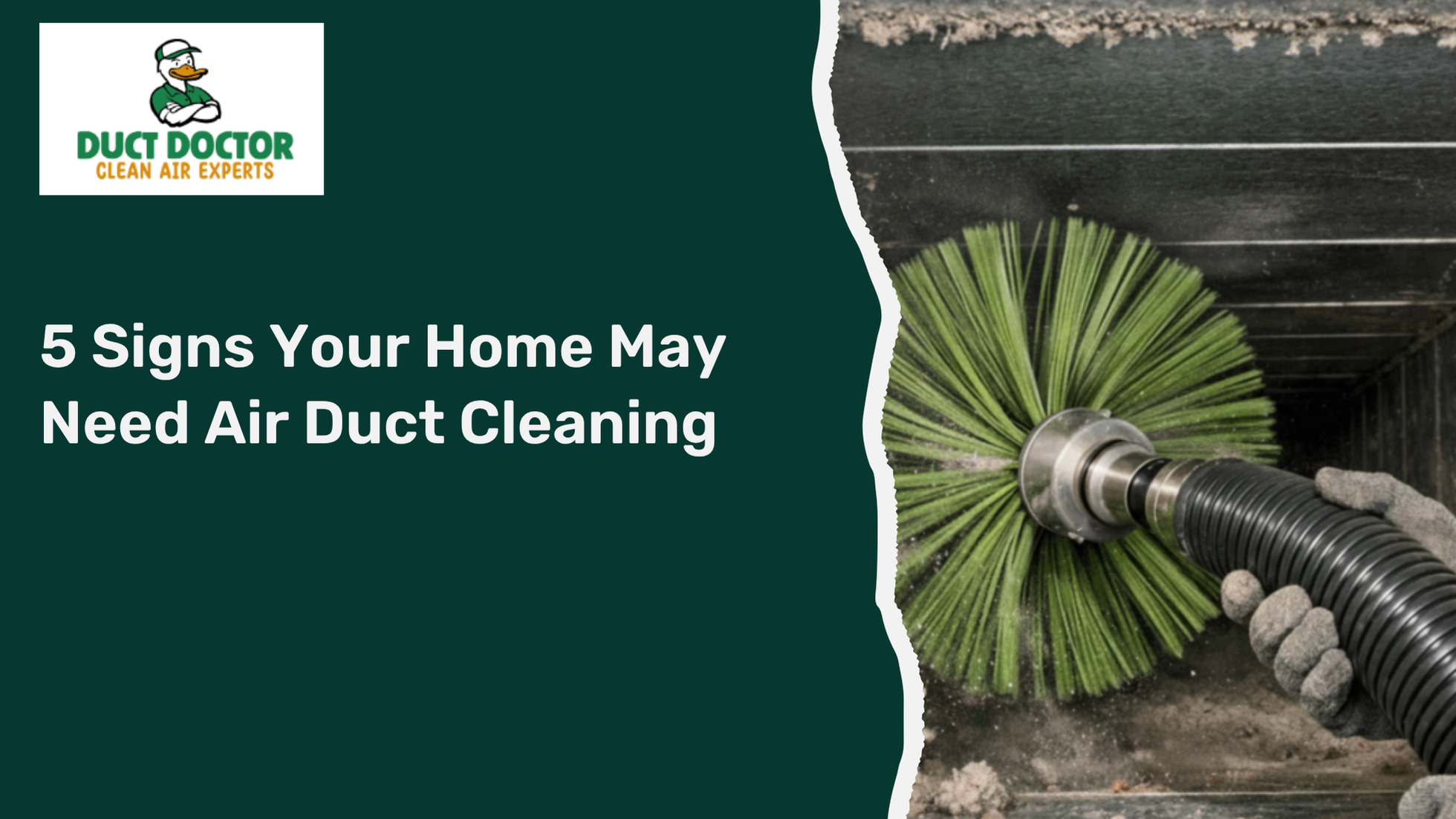
If dust keeps showing up on your furniture, your vents smell musty, or some rooms never feel comfortable, your ductwork may be part of the problem. Air Duct Cleaning can help when dirt, debris, and other buildup affect airflow and the way your HVAC system works. It is not a cure for every indoor air problem, but there are situations where it makes sense. The U.S. Environmental Protection Agency says homeowners should consider duct cleaning in certain cases, such as substantial visible mold growth, pest infestation, or heavy dust and debris inside the system.
For many homeowners, the challenge is knowing when normal dust becomes a real warning sign. This guide explains five common signs that may point to a dirty duct system, why they matter, and what to do next. If you want cleaner air, better airflow, and a more efficient heating and cooling system, these signs can help you decide if it is time to schedule a professional inspection.
Why Air Duct Cleaning Matters
Your ductwork moves heated and cooled air through your home. When dust, debris, pet hair, and other particles accumulate inside the system, airflow can be affected. In some homes, this can lead to more dust around vents, poor room-to-room comfort, and strain on the HVAC system. ENERGY STAR notes that poor airflow can reduce efficiency, raise utility bills, lower comfort, and shorten equipment life.
It is also important to stay realistic. The EPA does not say every home needs routine duct cleaning on a fixed schedule. Instead, it recommends cleaning when there is a clear reason, such as mold, pests, or excessive debris that actually enters the home from supply registers.
That means the best approach is simple: look for real signs, not fear-based sales claims.
At a Glance: 5 Signs to Watch
| Sign | What You May Notice | Why It Matters |
| Excess dust around vents | Dust on grilles, furniture gets dusty fast | May point to buildup and air movement issues |
| Weak or uneven airflow | Some rooms feel hotter or colder | Restricted airflow can affect comfort and efficiency |
| Musty or stale odors | Smell when the HVAC starts | May signal buildup, moisture, or contamination |
| More allergies or irritation indoors | Sneezing, coughing, and eye irritation at home | Airborne particles may be part of the issue |
| Recent renovation, pests, or long neglect | Construction dust, droppings, debris | These conditions can leave real contamination in the ducts |
Sign 1: Dust Builds Up Fast Around Vents and Inside Your Home
One of the easiest signs to spot is dust that seems to come back right after you clean. You wipe down a table, vacuum the floor, and within a day or two, the dust is back. You may also notice dust collecting around supply and return vents.
Now, not all household dust means your ducts need cleaning. Dust comes from many sources, such as fabric, shoes, pets, and outdoor air. But when you see visible dust blowing from vents or heavy buildup on vent covers, it may be time to take a closer look. The EPA says that excessive amounts of dust and debris released into the home from supply registers can justify cleaning.
What to Check
- Dust lines around vent covers
- Dust puffs out when the system starts
- Dirt inside return vents
- Heavy debris near registers
Why It Matters
When debris accumulates in the system, it can affect airflow and may circulate particles throughout the home. It can also make your HVAC filter work harder.
Sign 2: Airflow Feels Weak or Uneven
If one room feels comfortable but another always feels stuffy, hot, or hard to cool, airflow may be the issue. Dirty ducts are not the only cause. Leaks, crushed ducts, poor design, and dirty filters can also reduce airflow. Still, duct contamination can add to the problem.
ENERGY STAR says sealing and insulating ducts can improve heating and cooling efficiency by as much as 20 percent, and poor system airflow can lead to higher bills, low comfort, and shorter equipment life.
Common Signs of Poor Airflow
- Certain rooms never reach the right temperature
- Air from vents feels weak
- The system runs longer than usual
- Utility bills rise without a clear reason
Why It Matters
When airflow drops, your HVAC system may run longer to keep up. That can mean more wear, less comfort, and more energy use.
Sign 3: Your Vents Smell Musty, Stale, or Dirty
A clean HVAC system should not fill your home with a stale or musty smell every time it runs. If you notice an odor when the heat or air comes on, your ducts may be harboring dust, debris, moisture issues, or other contamination.
The EPA lists substantial visible mold growth inside hard surface ducts or on other parts of the heating and cooling system as a clear reason to consider cleaning. It also warns that moisture control is key, since dirt and moisture together can create conditions for growth.
Important note
A musty smell does not always mean mold. It can also come from:
- A dirty drain pan
- Wet insulation
- A clogged filter
- Debris in the system
- A separate HVAC issue
What To Do
If you smell something unusual, schedule an inspection first. A good technician should identify the source, not just suggest cleaning without evidence.
Sign 4: Allergy Symptoms Feel Worse Indoors
If someone in your home sneezes more, coughs more, or feels irritated indoors, indoor air quality deserves attention. Dirty ducts may be one piece of that puzzle, especially in homes with pets, older systems, or heavy dust buildup. NADCA notes that contaminants inside ductwork can move with the air through the home.
Still, it is important to keep this point honest. The EPA says studies do not show that dirty air ducts alone cause health problems in every case, and routine duct cleaning has not been proven to prevent health issues on its own.
The Takeaway
Air Duct Cleaning can help in homes where dust, debris, pests, or contamination are clearly present, but it works best as part of a bigger indoor air quality plan that may include:
- Changing HVAC filters on time
- Managing humidity
- Sealing duct leaks
- Cleaning coils and other HVAC parts when needed
- Addressing moisture problems quickly
Sign 5: You Recently Renovated, Had Pest Activity, or Have Not Cleaned the System in Years
Some situations make duct contamination much more likely. If you finished a remodel, moved into an older home, or had rodents or insects in the system, your ducts may hold construction dust, nesting material, droppings, or other debris.
The EPA specifically says homeowners should consider duct cleaning if ducts are infested with vermin such as rodents or insects.
Situations that Raise the Odds
- Home renovation or drywall work
- New home purchase with unknown maintenance history
- Rodent or insect activity
- Long term neglect of filters and HVAC upkeep
- Heavy pet hair and dander in the home
Why It Matters
These are not minor comfort issues. They can leave real contamination in the system, and in some cases, damage may also need repair, not just cleaning.
What Air Duct Cleaning Can and Cannot Do
What can it do?
- Remove built-up dust and debris from ductwork and system components
- Improve airflow when buildup is part of the problem
- Help reduce visible dust from vents in some homes
- Remove contamination after pests or renovation debris
- Support a cleaner HVAC system
What can it not do?
- Fix every air quality issue in the home
- Replace filter changes and regular HVAC maintenance
- Solve comfort problems caused by bad duct design or leaks
- Guarantee health improvements in every home
That is why inspection matters first.
When to Call a Professional
You do not need to panic if you see one small sign. But you should call a professional if you notice a pattern or if the signs are strong.
Call for an inspection if you notice
- Visible debris at vents
- Persistent musty odors when the system runs
- Airflow that feels weak in several rooms
- Signs of pests in the duct system
- Heavy dust after a recent remodel
- Dark buildup or suspected mold around system components
A qualified technician should inspect the system, explain what they found, and show evidence when possible.
Quick Comparison: Clean Ducts vs Problem Ducts
| Condition | What It Often Feels Like |
| Clean, well-maintained system | Better airflow, less vent dust, more even comfort |
| Dusty or restricted system | Weak airflow, faster dust buildup, stuffy rooms |
| Moisture or contamination issue | Musty smells, possible visible growth, and poor air quality concerns |
| Pest-related contamination | Odors, debris, droppings, health and safety concerns |
Tips to Keep Ducts Cleaner Longer
You can lower future buildup with a few simple habits:
- Change your HVAC filter on schedule
- Use the right filter size and fit
- Seal duct leaks if your system has them
- Keep vents and returns clear
- Vacuum around registers often
- Fix moisture problems fast
- Schedule HVAC maintenance each year
These steps support cleaner air and better system performance over time. ENERGY STAR and the Department of Energy both stress the value of proper airflow, duct sealing, and system maintenance for efficiency and comfort.
FAQ
How do I know if my air ducts need cleaning?
Look for visible dust and debris around vents, weak airflow, musty odors, signs of pests, or heavy buildup after remodeling. The EPA says duct cleaning may be worth considering when there is visible mold, a pest infestation, or excessive dust and debris entering the home through supply registers.
How often should air ducts be cleaned?
There is no one set schedule for every home. The EPA does not recommend routine cleaning on a fixed timeline for all homes. Cleaning should be based on actual conditions in the system, not a sales pitch.
Is air duct cleaning really necessary?
Sometimes, yes. It is necessary when there is real contamination, such as mold, pests, or heavy debris. It may also help after a renovation or in homes with clear airflow and dust issues. But it is not something every home needs on a set schedule.
Can dirty air ducts affect indoor air quality?
They can, especially when contaminants are present and move through the system. Still, the EPA says evidence is limited, and duct cleaning alone is not a full solution for every indoor air problem. Good filtration, moisture control, and HVAC maintenance also matter.
Will Air Duct Cleaning lower my energy bills?
It can help if the buildup is restricting airflow or if the duct system has related performance issues. Better airflow supports comfort and system efficiency, but savings vary by home and by the condition of the system.
Final Thoughts
Duct Dr. helps homeowners in Clarks Hill, Indiana and nearby areas with straightforward service focused on cleaner air, better airflow, and a more comfortable home. If your home feels dusty, airflow seems weak, or your vents smell off when the system runs, it may be time to take a closer look. A careful inspection, honest advice, and proper cleaning methods matter.