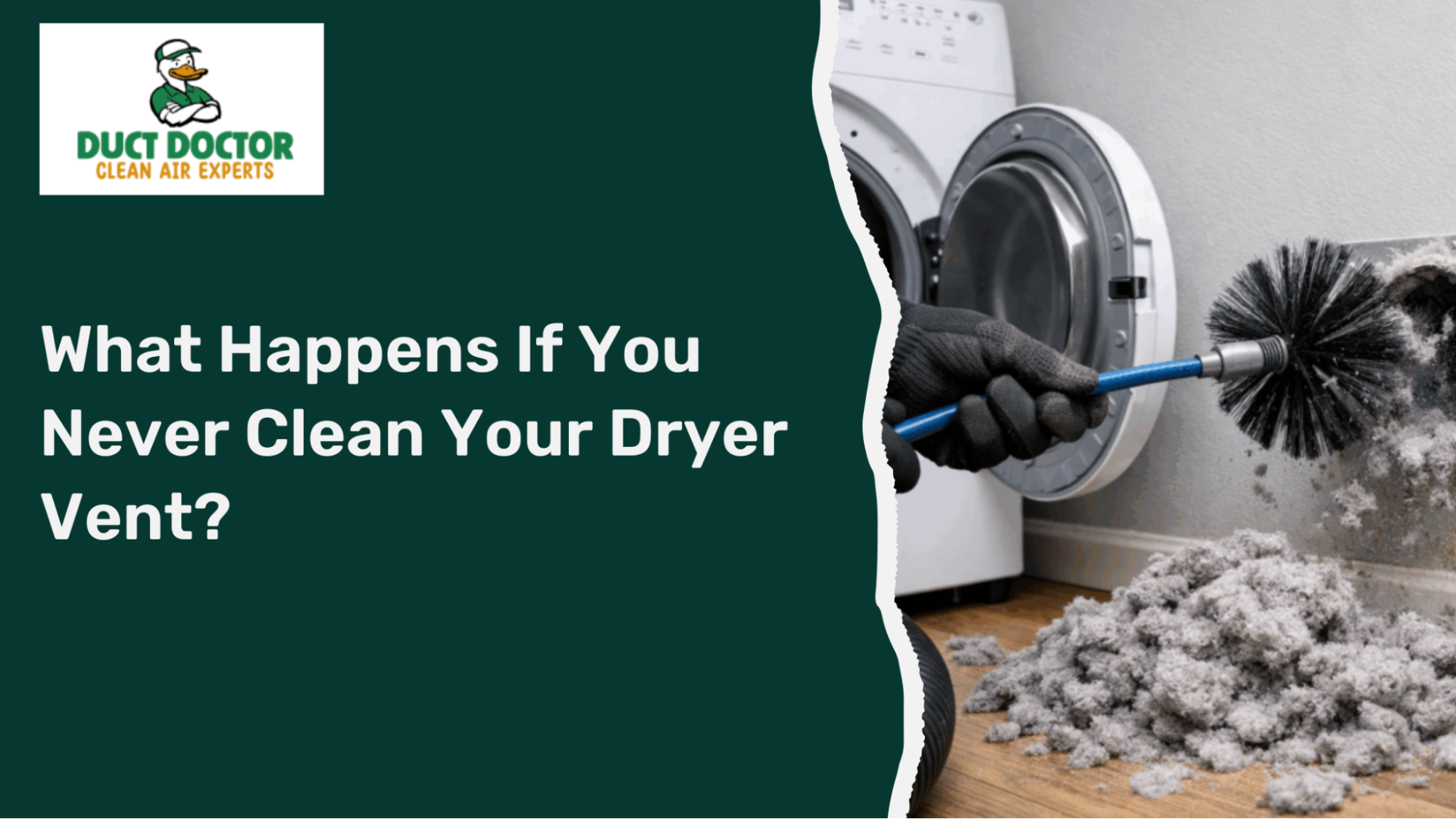
If you never clean your dryer vent, lint and debris can build up inside the vent line, restricting airflow. When that happens, your dryer has to work harder to push hot, moist air outside. Over time, this can lead to longer drying cycles, overheating, higher energy use, extra wear on the dryer, moisture problems, and a higher risk of fire.
This is not just a minor maintenance issue. The National Fire Protection Association reports that U.S. fire departments responded to an estimated average of 15,970 home structure fires involving clothes dryers or washing machines each year from 2010 to 2014. About 92% of those fires involved clothes dryers. NFPA also found that dust, fibre, or lint was one of the leading items first ignited in dryer fires.
The U.S. Fire Administration also reports that failure to clean was the leading factor contributing to clothes dryer fires in residential buildings. Its report estimated 2,900 clothes dryer fires in residential buildings each year from 2008 to 2010, causing an annual average of 5 deaths, 100 injuries, and $35 million in property loss.
For homeowners, the simple takeaway is this: a dirty dryer vent makes your dryer less safe, less efficient, and more expensive to run. If your clothes take longer to dry, the laundry room feels hot, the dryer smells like something is burning, or you see lint around the outside vent, it may be time to schedule professional dryer vent cleaning.
Duct Dr.’s site focuses on helping homeowners in Clarks Hill, Indiana and nearby areas with air duct cleaning, dryer vent cleaning, and vent repair services, especially around indoor air quality, HVAC efficiency, home safety, and dryer fire prevention.
What Does a Dryer Vent Actually Do?
Your dryer vent carries hot, damp air and lint from the dryer to the outside of your home. A clean vent allows air to move freely. A clogged vent traps heat, moisture, and lint inside the system.
A dryer vent system usually includes:
| Part of the System | What It Does | What Can Go Wrong |
| Lint screen | Catches some lint during each cycle | It cannot catch all lint |
| Dryer duct | Moves hot air from the dryer to the wall or floor outlet | Lint can collect inside |
| Vent line | Carries air through the wall, crawl space, attic, or exterior route | Long runs can clog faster |
| Outside vent hood | Releases dryer exhaust outdoors | Flaps can stick or get blocked |
Even if you clean the lint screen after every load, some lint still moves into the vent. That is why the vent itself needs to be cleaned, too.
Why Is Never Cleaning Your Dryer Vent Dangerous?
Never leave your dryer vent unclean, as lint is flammable and clogged vents trap heat. When airflow is blocked, the dryer can overheat. If lint is packed inside the duct or near the dryer, that heat can create a serious fire hazard.
The Consumer Product Safety Commission warns that longer drying times or damp clothes at the end of a normal cycle may indicate that the lint screen or exhaust duct is blocked. CPSC recommends cleaning the lint screen before or after each load and cleaning the dryer vent and exhaust duct periodically.
Here is what can happen when dryer vents are ignored:
| Problem | What You May Notice | Why It Matters |
| Restricted airflow | Clothes take longer to dry | The dryer runs harder than needed |
| Overheating | The dryer or laundry room feels very hot | Heat increases fire risk |
| Lint buildup | Lint around the vent or behind the dryer | Lint can ignite under heat |
| Moisture buildup | Musty smell or damp laundry area | Moisture can support mold growth |
| Higher utility use | More cycles needed per load | Energy costs may rise |
| Dryer wear | Dryer shuts off or runs poorly | Parts may fail sooner |
What Happens First When a Dryer Vent Gets Clogged?
The first sign is usually a longer drying time. A load that used to dry in 40 minutes may start taking 60, 80, or even 90 minutes. Many homeowners think the dryer is getting old, but the real problem may be poor airflow.
You may also notice:
- Clothes feel hot but still damp
- Towels take more than one cycle
- The dryer feels hotter than normal
- The laundry room becomes humid
- The outside vent flap barely opens
- You smell a warm, dusty, or burning odour
- Lint gathers behind the dryer or near the outside vent
These signs matter because they often appear before a major failure. If you catch them early, cleaning the vent may restore better airflow and help the dryer run more safely.
How Can a Dirty Dryer Vent Increase Fire Risk?
A dirty dryer vent increases fire risk in three main ways.
First, lint builds up inside the vent line. Lint is made of small fibres from clothes, towels, blankets, and other fabrics. It can collect along bends, seams, crushed duct sections, or long vent runs.
Second, airflow drops. Your dryer depends on steady airflow to remove heat and moisture. When airflow slows down, heat stays in the dryer and vent longer.
Third, the dryer runs longer. Longer drying cycles mean more heat exposure, more lint movement, and more strain on the system.
NFPA data shows that dust, fibre, or lint was among the leading items first ignited in clothes dryer fires, which is why routine maintenance is a practical safety step rather than an optional cleaning task.
What Happens to Your Dryer If the Vent Is Never Cleaned?
Your dryer may wear out faster. When airflow is blocked, the appliance has to work harder to do the same job. This can stress the heating element, motor, thermostat, belts, and sensors.
Common dryer problems linked to poor airflow include:
- Repeated overheating
- Dryer shutting off mid-cycle
- Burning smells
- Clothes drying unevenly
- Excess wear on internal parts
- Shorter appliance life
In some cases, people replace a dryer when the real issue is a clogged vent. Before assuming the appliance is failing, check whether the vent line is clear.
How Does a Clogged Dryer Vent Affect Energy Use?
A clogged dryer vent can increase energy use because the dryer takes longer to dry each load. One extra cycle may not seem like much, but repeated long cycles add up over weeks and months.
For example:
| Normal Condition | Clogged Vent Condition |
| One drying cycle per load | Two drying cycles per load |
| Lower heat stress | Higher heat buildup |
| Less appliance strain | More appliance wear |
| Faster laundry routine | Longer laundry time |
| Better airflow | Restricted airflow |
This is one reason dryer vent cleaning can be both a safety step and an efficiency step. Duct Dr.’s website also highlights dryer vent cleaning as a service that helps reduce the risk of dryer fires, improve dryer performance, reduce drying times, and extend appliance life.
Can a Dirty Dryer Vent Cause Moisture or Mold Problems?
Yes, it can. A dryer removes moisture from wet clothes and sends it outdoors. When the vent is clogged, damaged, disconnected, or poorly routed, some of that moisture may stay inside the laundry area, wall cavity, crawl space, or attic.
Signs of moisture problems may include:
- Musty smell near the dryer
- Damp air in the laundry room
- Condensation around the dryer area
- Soft or stained wall surfaces
- Lint mixed with moisture near the vent
- Clothes smell musty after drying
Moisture issues can also happen when the dryer vent is damaged or disconnected. In that case, cleaning alone may not solve the problem. A homeowner may need vent repair or replacement to restore safer airflow.
When Should You Clean Your Dryer Vent?
Most homes should have the dryer vent checked and cleaned at least once a year. Some homes may need it more often.
You may need more frequent cleaning if:
- You do laundry every day
- You have a large family
- You wash many towels, blankets, or pet bedding
- You have pets that shed
- Your dryer vent line is long
- The vent has several bends
- The outside vent clogs with lint, leaves, or nesting material
- Clothes take longer than usual to dry
CPSC recommends cleaning the lint screen before or after every load and cleaning the dryer vent and exhaust duct periodically. It also recommends checking the outside vent while the dryer is running to make sure exhaust air is escaping.
Who Is Most at Risk From a Neglected Dryer Vent?
Any homeowner with a dryer vent can have problems, but some households face a higher risk.
| Household Type | Why Risk May Be Higher |
| Families with children | More laundry means more lint |
| Pet owners | Pet hair can add to the buildup |
| Older homes | Vent routes may be longer or less efficient |
| Homes with second-floor laundry | Longer vent runs may clog faster |
| Homes with dryers in closets | Heat may build up faster |
| Homes with flexible plastic or foil duct | Some materials may trap lint or be unsafe |
For homeowners searching for dryer vent cleaning in Clarks Hill, the best time to act is before the dryer overheats, stops working, or creates a safety concern.
What Warning Signs Should You Never Ignore?
Do not ignore these dryer vent warning signs:
- Clothes are still damp after a full cycle
- The dryer feels too hot to touch
- Laundry room feels unusually hot or humid
- You smell something burning
- Lint appears behind the dryer
- The outside vent flap does not open well
- The dryer shuts off before the cycle ends
- Drying time keeps getting longer
- Clothes smell musty after drying
A burning smell is especially important. Stop using the dryer and inspect the lint screen, dryer area, and outside vent. If the smell continues or you suspect an electrical issue, contact a qualified appliance technician or licensed professional.
How Can Homeowners Reduce Dryer Vent Problems?
You can reduce dryer vent problems with simple habits.
Clean the lint screen every load
This is the easiest step. Clean the screen before or after each load. Do not wait until lint forms a thick layer.
Check behind the dryer
Look for crushed ductwork, lint piles, or loose connections. A crushed duct can block airflow even if the vent is not packed with lint.
Look at the outside vent
When the dryer is running, warm air should flow outside. If the flap barely moves, the vent may be clogged.
Do not overload the dryer
Large loads create more lint and make the dryer work harder.
Watch drying time
If drying time changes, do not ignore it. Longer drying time is one of the clearest warning signs.
Schedule professional cleaning when needed
DIY tools may help with short, simple vent runs. But long, hidden, roof-exit, or damaged vent lines often need professional attention.
Dryer Vent Cleaning vs. Air Duct Cleaning: What Is the Difference?
Dryer vent cleaning and air duct cleaning are different services, but both focus on airflow.
| Service | Main Purpose | Common Reasons to Schedule |
| Dryer vent cleaning | Removes lint from the dryer exhaust system | The dryer takes too long or raises a fire risk concern |
| Air duct cleaning | Removes dust, debris, and allergens from HVAC ductwork | Dust, allergies, and airflow concerns |
| Vent repair or replacement | Fixes damaged or disconnected vents | Poor airflow, leaks, or unsafe vent setup |
If your main issue is laundry taking too long, start with dryer vent cleaning. If your home feels dusty, smells musty through vents, or has weak HVAC airflow,
What Should You Ask Before Hiring a Dryer Vent Cleaner?
Before hiring a provider, ask simple questions:
- Do you clean the full vent line from the dryer to the exterior exit?
- Can you inspect the airflow before and after cleaning?
- Do you check the outside vent hood?
- Can you identify damaged, crushed, or disconnected vent sections?
- Are you familiar with local homes and vent layouts?
- Do you provide a clear estimate before work begins?
Laws, codes, insurance rules, and licensing requirements can vary by state and local area. For safety concerns, major repairs, or code questions, check with official local resources or a qualified licensed provider.
FAQs
What happens if you never clean the dryer vent?
Lint can build up, airflow can become restricted, and the dryer can overheat. This may cause longer drying times, higher energy use, appliance wear, moisture issues, and increased fire risk.
How do I know if my dryer vent is clogged?
Common signs include clothes taking longer to dry, a hot dryer, a humid laundry room, a burning smell, lint near the vent, or weak airflow from the outside vent.
Can a clogged dryer vent make clothes smell bad?
Yes. If moisture cannot escape well, clothes may stay damp too long and develop a musty smell. The laundry area may also feel humid or smell stale.
Is cleaning the lint trap enough?
No. The lint trap catches a lot of lint, but it does not catch everything. Some lint moves into the dryer duct and vent line, which is why the vent needs periodic cleaning.
How often should a dryer vent be cleaned?
Many homes benefit from annual cleaning. Homes with heavy laundry use, pets, long vent runs, or recurring drying problems may need more frequent cleaning.
Should I clean my dryer vent myself or hire a professional?
You may be able to clean a short, easy-to-reach vent with basic tools. Hire a professional if the vent is long, hard to access, exits through the roof, has several bends, or shows signs of damage.
Conclusion
Never cleaning your dryer vent can turn a simple home maintenance task into a safety, comfort, and cost problem. The biggest warning signs are longer drying times, excess heat, weak outside airflow, lint buildup, and burning smells. Regular lint screen cleaning, outside vent checks, and periodic professional service can help your dryer run more safely and efficiently. For local homeowners who want clear guidance and reliable service, Duct Doctor can help protect your home with professional dryer vent cleaning and practical ventilation care.