Air Duct Cleaning for Better Indoor Comfort in Clarks Hill Homes

Your air ducts help move heated and cooled air from your HVAC system into each room. When air moves freely, your home may feel more comfortable, and rooms may stay closer to the temperature set on the thermostat. When dust and debris collect inside the ductwork, vents, returns, or nearby HVAC parts, airflow can become restricted. This may leave some rooms feeling dusty, stale, or less comfortable than others. A professional air duct cleaning in Clarks Hill should be seen as a practical maintenance option, not a guaranteed solution for every allergy, asthma, or indoor air problem. The U.S. Environmental Protection Agency explains that duct cleaning has not been proven to prevent health issues in every home. However, it may be worth considering when there is visible mold, pest activity, heavy dust buildup, or particles coming from the supply vents. For Clarks Hill homeowners, the smartest approach is to assess the home’s condition first. Check your filters, look around your vents, pay attention to odors, and notice weak airflow in several rooms. This guide explains when duct cleaning may be useful, how it can support indoor comfort, what warning signs to watch for, and how to choose a local provider who clearly explains the work. Why Does Indoor Comfort Depend on Airflow? Indoor comfort is not only about the temperature on your thermostat. It also depends on airflow, humidity, dust levels, and how evenly heated or cooled air reaches each room. A comfortable home usually has: When airflow is restricted, your HVAC system may run longer but still leave certain rooms uncomfortable. You may notice one bedroom feels stuffy, a living room feels dusty, or the home never feels evenly heated or cooled. Air duct cleaning may help when the problem comes from dust, debris, or buildup inside the duct system. If the issue comes from poor duct design, damaged ducts, leaky ducts, insulation problems, or an aging HVAC unit, cleaning alone may not solve it. What Is Air Duct Cleaning? Air duct cleaning is the process of removing dust, dirt, debris, and other buildup from parts of a forced-air HVAC system. Depending on the home and service provider, cleaning may include: A proper cleaning should focus on the full system, not just the visible vent covers. Cleaning only the registers may make the vents look better, but it may not address dust deeper in the ductwork. When Should Clarks Hill Homeowners Consider Air Duct Cleaning? Air duct cleaning makes the most sense when there are clear signs that the duct system needs attention. Situation Why It Matters What to Do Visible dust blowing from vents Dust may be moving through the duct system Inspect vents and filters Musty smell when HVAC runs Moisture or buildup may be present Check ducts, coils, and drain areas Weak airflow in several rooms Dust, debris, or duct issues may restrict air Schedule inspection Recent remodeling Construction dust can enter vents Clean after major work Pest signs in ducts Droppings or nesting can affect air quality Call a professional Family members notice more dust Ducts may contribute, but other sources matter Check filters, cleaning habits, and vents You moved into an older home Maintenance history may be unknown Inspect before heavy HVAC use The best time to clean air ducts is when evidence supports it. Routine cleaning without a reason may not be needed for every home. How Can Air Duct Cleaning Improve Indoor Comfort? Air duct cleaning may improve indoor comfort by helping air move more freely through the HVAC system. It may also reduce loose dust and debris inside the ductwork. Possible comfort benefits include: For example, a Clarks Hill homeowner may notice that the home feels dusty even after cleaning. If the HVAC filter is dirty, the return ducts are dusty, and vent covers are coated with debris, the system may keep moving particles through the home. Cleaning the duct system and replacing the filter may help reduce that cycle. Another homeowner may notice a musty smell when the air conditioner starts. In that case, the issue may involve moisture, coils, drain pans, or duct insulation. Cleaning may help, but the source of moisture also needs to be fixed. What Does the EPA Say About Air Duct Cleaning? The EPA gives a balanced view. It does not recommend air duct cleaning as a routine service for every home. It also says duct cleaning may be useful in certain cases. According to the EPA, homeowners may consider duct cleaning when: This is important because it helps keep expectations honest. Air duct cleaning should not be promoted as a guaranteed medical solution. It is a home maintenance service that may help when dust, debris, airflow, odor, or contamination issues are present. What Indoor Air Quality Facts Should Homeowners Know? Indoor air quality matters because people spend a lot of time indoors. The EPA reports that Americans spend about 90% of their time indoors, and some indoor pollutant levels may be 2 to 5 times higher than outdoor levels. That does not mean air ducts are always the main source of indoor air problems. Indoor air can be affected by many things, including: Air duct cleaning is one part of a bigger comfort and air quality plan. Good filters, proper ventilation, moisture control, regular cleaning, and HVAC maintenance all matter. How Often Should Air Ducts Be Cleaned? There is no single schedule that fits every home. Some homes may go several years without needing duct cleaning. Others may need it sooner because of pets, remodeling, dust, moisture, pests, or heavy HVAC use. Home Condition Possible Cleaning Need Average home with no warning signs Inspect every few years Home with pets May need cleaning sooner Recent renovation Clean after construction dust settles Musty odor from vents Inspect soon Pest activity Clean after pest issue is resolved Visible debris from vents Schedule inspection New home purchase Inspect if maintenance history is unknown Instead of relying only on a calendar, look for signs. If vents are
What Clarks Hill Homeowners Should Know About Dryer Vent Fire Risks
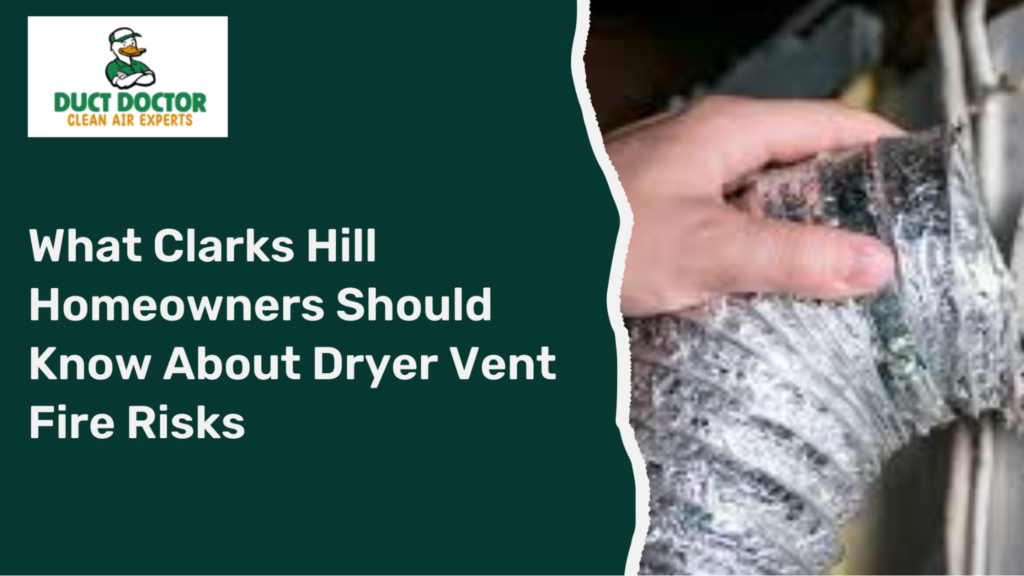
A clean dryer vent helps hot, moist air move safely out of the home. When lint collects inside the vent, air cannot escape well. That trapped heat can make the dryer work harder, raise energy use, shorten appliance life, and increase fire risk. According to the U.S. Fire Administration, failure to clean is one of the top factors in home clothes dryer fires. The Consumer Product Safety Commission also warns that lint buildup in the dryer or exhaust duct can block airflow and cause excessive heat. For Clarks Hill homeowners, this matters because many homes rely on dryers year-round. Families with children, pets, large laundry loads, or older homes may need dryer vent cleaning in Clarks Hill more often because lint can build up faster with frequent use. The good news is that dryer vent fire risks are often preventable with routine cleaning, safe dryer habits, and attention to early warning signs. This guide explains what causes dryer vent fires, how to spot warning signs, how often to clean your dryer vent, and when to call a professional for help. Why Are Dryer Vents a Fire Risk? Dryer vents become a fire risk when lint, dust, pet hair, or debris blocks the path that hot air uses to leave the dryer. Your dryer creates heat to remove moisture from clothes. That moisture exits through the vent system. When the vent is clear, the dryer can release heat and moisture properly. When the vent is clogged, heat builds up inside the dryer and duct. Lint is a major concern because it is light, dry, and easily ignitable. Even if you clean the lint screen after each load, some lint still passes through the filter and collects inside the vent line. Common causes of dryer vent fire risks include: Not every dryer problem means a fire is imminent. Still, restricted airflow should be taken seriously because it can create unsafe heat levels over time. What Do National Fire Statistics Say? Dryer fires are not just rare accidents. They are a known home safety issue. Source Key Finding Why It Matters U.S. Fire Administration Failure to clean was a leading factor in residential dryer fires Routine cleaning helps reduce preventable risk NFPA Dryers accounted for most washer and dryer-related home fires Dryer maintenance deserves regular attention CPSC Lint buildup can block airflow and cause excessive heat Clogged vents can create unsafe dryer conditions The exact number of dryer fires changes by reporting period, but the pattern is consistent. Lint buildup, poor airflow, and lack of cleaning are common factors in dryer fires. That does not mean every home faces the same level of risk. A household that runs one small load each week may not build up lint as quickly as a family that runs laundry every day. But every dryer vent still needs regular attention. What Are the Warning Signs of a Clogged Dryer Vent? A clogged dryer vent often shows warning signs before it becomes a serious safety issue. Watch for these signs: A longer drying time is one of the most common signs. If your dryer used to dry a normal load in 40 minutes but now needs 70 or 90 minutes, the vent may be restricted. A burning smell is more urgent. Stop using the dryer and check the lint screen, dryer area, and vent path. If the smell continues or you suspect overheating, contact a qualified professional. Why Does Lint Build Up Even When You Clean the Lint Screen? The lint screen catches a lot of lint, but not all of it. Tiny fibers can move past the screen and enter the dryer vent. Over months or years, these fibers collect along the duct walls. Moisture can make the buildup stickier. Pet hair, dust, and small debris can add to the blockage. Lint buildup may happen faster when: Cleaning the lint screen after every load is still important. It is the first layer of protection. But it does not replace full vent cleaning. How Often Should Clarks Hill Homeowners Clean Dryer Vents? Most homeowners should clean the dryer vent at least once a year. Some homes may need cleaning more often. Household Situation Suggested Cleaning Frequency Average household use Once per year Large family with frequent laundry Every 6 to 12 months Homes with pets Every 6 to 12 months The dryer takes longer than normal Schedule inspection soon Long or complex vent route Every 6 to 12 months Burning smell or overheating Stop use and inspect immediately These are general guidelines. Homes vary. Dryer model, vent design, laundry volume, and outdoor vent condition all affect how fast lint builds up. Are Older Homes in Clarks Hill More at Risk? Older homes can have dryer vent issues, but age alone is not the only factor. A newer home can still have a clogged vent if the duct run is long, poorly installed, or heavily used. An older home may have safer airflow if the vent is short, clean, and properly maintained. That said, some older homes may have conditions that deserve closer attention: If you recently moved into a home, it is smart to inspect the dryer vent. You may not know when the previous owner last cleaned it. What Dryer Vent Materials Are Safer? Rigid or semi-rigid metal ducting is generally safer than plastic or thin foil-style ducts. Plastic and foil ducts can sag, trap lint, crush easily, and may not handle heat as well as metal ducting. Smooth metal ducts allow better airflow and collect less lint than flexible, ridged materials. A safer dryer vent setup usually includes: If your vent line looks damaged, loose, or poorly routed, it may need repair. Homeowners can learn more about vent repair or replacement when cleaning alone does not solve airflow issues. What Can Homeowners Do Between Professional Cleanings? Dryer safety is not only about annual service. Simple habits make a real difference. Use this checklist: Task How Often Why It Helps Clean the lint screen Before or
What Happens If You Never Clean Your Dryer Vent?
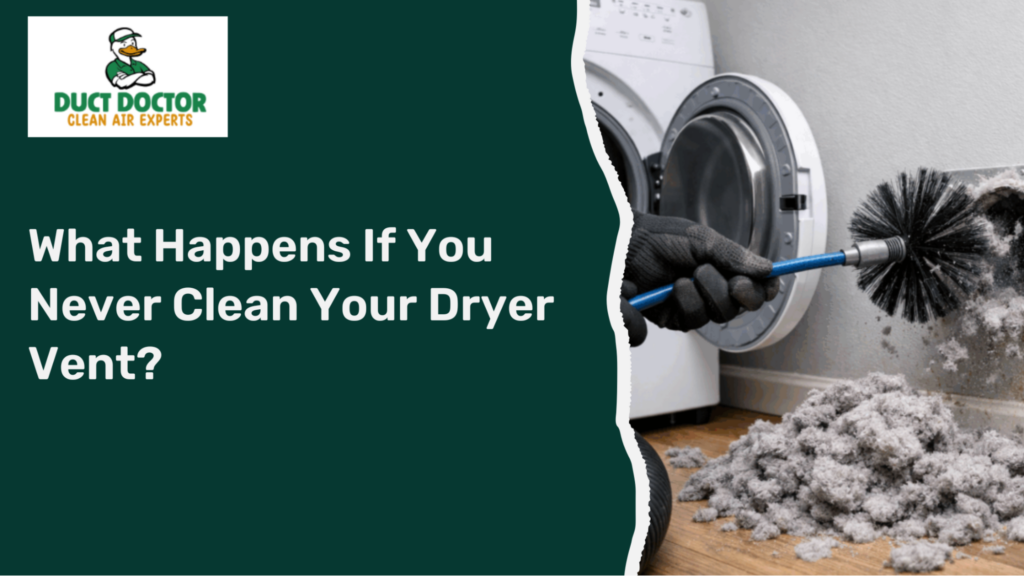
If you never clean your dryer vent, lint and debris can build up inside the vent line, restricting airflow. When that happens, your dryer has to work harder to push hot, moist air outside. Over time, this can lead to longer drying cycles, overheating, higher energy use, extra wear on the dryer, moisture problems, and a higher risk of fire. This is not just a minor maintenance issue. The National Fire Protection Association reports that U.S. fire departments responded to an estimated average of 15,970 home structure fires involving clothes dryers or washing machines each year from 2010 to 2014. About 92% of those fires involved clothes dryers. NFPA also found that dust, fibre, or lint was one of the leading items first ignited in dryer fires. The U.S. Fire Administration also reports that failure to clean was the leading factor contributing to clothes dryer fires in residential buildings. Its report estimated 2,900 clothes dryer fires in residential buildings each year from 2008 to 2010, causing an annual average of 5 deaths, 100 injuries, and $35 million in property loss. For homeowners, the simple takeaway is this: a dirty dryer vent makes your dryer less safe, less efficient, and more expensive to run. If your clothes take longer to dry, the laundry room feels hot, the dryer smells like something is burning, or you see lint around the outside vent, it may be time to schedule professional dryer vent cleaning. Duct Dr.’s site focuses on helping homeowners in Clarks Hill, Indiana and nearby areas with air duct cleaning, dryer vent cleaning, and vent repair services, especially around indoor air quality, HVAC efficiency, home safety, and dryer fire prevention. What Does a Dryer Vent Actually Do? Your dryer vent carries hot, damp air and lint from the dryer to the outside of your home. A clean vent allows air to move freely. A clogged vent traps heat, moisture, and lint inside the system. A dryer vent system usually includes: Part of the System What It Does What Can Go Wrong Lint screen Catches some lint during each cycle It cannot catch all lint Dryer duct Moves hot air from the dryer to the wall or floor outlet Lint can collect inside Vent line Carries air through the wall, crawl space, attic, or exterior route Long runs can clog faster Outside vent hood Releases dryer exhaust outdoors Flaps can stick or get blocked Even if you clean the lint screen after every load, some lint still moves into the vent. That is why the vent itself needs to be cleaned, too. Why Is Never Cleaning Your Dryer Vent Dangerous? Never leave your dryer vent unclean, as lint is flammable and clogged vents trap heat. When airflow is blocked, the dryer can overheat. If lint is packed inside the duct or near the dryer, that heat can create a serious fire hazard. The Consumer Product Safety Commission warns that longer drying times or damp clothes at the end of a normal cycle may indicate that the lint screen or exhaust duct is blocked. CPSC recommends cleaning the lint screen before or after each load and cleaning the dryer vent and exhaust duct periodically. Here is what can happen when dryer vents are ignored: Problem What You May Notice Why It Matters Restricted airflow Clothes take longer to dry The dryer runs harder than needed Overheating The dryer or laundry room feels very hot Heat increases fire risk Lint buildup Lint around the vent or behind the dryer Lint can ignite under heat Moisture buildup Musty smell or damp laundry area Moisture can support mold growth Higher utility use More cycles needed per load Energy costs may rise Dryer wear Dryer shuts off or runs poorly Parts may fail sooner What Happens First When a Dryer Vent Gets Clogged? The first sign is usually a longer drying time. A load that used to dry in 40 minutes may start taking 60, 80, or even 90 minutes. Many homeowners think the dryer is getting old, but the real problem may be poor airflow. You may also notice: These signs matter because they often appear before a major failure. If you catch them early, cleaning the vent may restore better airflow and help the dryer run more safely. How Can a Dirty Dryer Vent Increase Fire Risk? A dirty dryer vent increases fire risk in three main ways. First, lint builds up inside the vent line. Lint is made of small fibres from clothes, towels, blankets, and other fabrics. It can collect along bends, seams, crushed duct sections, or long vent runs. Second, airflow drops. Your dryer depends on steady airflow to remove heat and moisture. When airflow slows down, heat stays in the dryer and vent longer. Third, the dryer runs longer. Longer drying cycles mean more heat exposure, more lint movement, and more strain on the system. NFPA data shows that dust, fibre, or lint was among the leading items first ignited in clothes dryer fires, which is why routine maintenance is a practical safety step rather than an optional cleaning task. What Happens to Your Dryer If the Vent Is Never Cleaned? Your dryer may wear out faster. When airflow is blocked, the appliance has to work harder to do the same job. This can stress the heating element, motor, thermostat, belts, and sensors. Common dryer problems linked to poor airflow include: In some cases, people replace a dryer when the real issue is a clogged vent. Before assuming the appliance is failing, check whether the vent line is clear. How Does a Clogged Dryer Vent Affect Energy Use? A clogged dryer vent can increase energy use because the dryer takes longer to dry each load. One extra cycle may not seem like much, but repeated long cycles add up over weeks and months. For example: Normal Condition Clogged Vent Condition One drying cycle per load Two drying cycles per load Lower heat stress Higher heat buildup Less appliance strain More appliance
When Is the Best Time of Year to Clean Your Air Ducts?

The best time of year to clean your air ducts is usually spring or fall, before your HVAC system works hardest in summer or winter. These shoulder seasons are ideal because your heating and cooling system is often used less, appointments may be easier to schedule, and cleaning can help prepare your home for the heavy airflow season. For many homeowners, spring is a good time because it follows months of winter heating, closed windows, and dust buildup, and offers improved indoor air circulation. Fall is also a smart choice because it comes before furnace season, when your system will move warm air through the home more often. If you live in Clarks Hill, Indiana or nearby areas, seasonal changes can make these timing decisions even more important because homes often rely on heating in winter and cooling in summer. That said, the best time to clean your air ducts is not only based on the calendar. You may need service sooner if you see dust blowing from vents, smell musty odors, notice weak airflow, finish a remodeling project, move into a new home, or experience indoor allergy symptoms. The EPA says air ducts should be cleaned when they are visibly contaminated with substantial mold growth, infested with pests, or clogged with large amounts of dust and debris. Schedule air duct cleaning in spring or fall for preventive maintenance, but do not wait for a certain season if your home shows clear warning signs. For homeowners comparing air duct cleaning options in Clarks Hill, the right timing depends on your home, HVAC use, indoor dust, pets, allergies, recent renovations, and airflow issues. Why Does Timing Matter for Air Duct Cleaning? Timing matters because your air ducts work hardest when your HVAC system runs often. During hot summers and cold winters, your system moves air through the ductwork every day. If the ducts contain heavy dust, pet hair, debris, or other buildup, that material may affect airflow and indoor comfort. Cleaning before peak season can help your system start the season with clearer pathways. It also gives you time to fix related problems, such as damaged vents, disconnected duct sections, or dirty registers. Duct Dr.’s website focuses on helping homeowners with hidden ventilation problems, including dust and debris buildup, poor indoor air quality, reduced HVAC efficiency, and dryer vent safety risks. The site also highlights air duct cleaning as a service that removes dust, debris, allergens, and contaminants from ductwork, vents, and furnace components. Is Spring the Best Time to Clean Air Ducts? Spring is one of the best times to clean your air ducts, as it follows a long heating season. During winter, many homes stay closed up. The furnace runs often. Dust, pet dander, lint, and household particles can collect around vents and inside parts of the HVAC system. Spring cleaning your ducts may make sense if: Spring is also a good time to replace HVAC filters, clean vent covers, and check airflow in each room. ENERGY STAR recommends checking HVAC filters monthly, especially during heavy-use months, and changing filters at least every three months because dirty filters slow airflow and make systems work harder. Is Fall a Good Time for Air Duct Cleaning? Yes. Fall is another strong time to schedule air duct cleaning. It gives homeowners a chance to prepare before cold weather and furnace use increase. Fall may be the best time if: Many homeowners notice a dusty or stale smell the first time they turn on the furnace in the fall. A brief smell can be normal when dust burns off furnace components, but ongoing musty odors, visible dust from vents, or uneven airflow should be checked. Is Summer or Winter a Bad Time to Clean Air Ducts? Summer and winter are not bad times. They are just less convenient for preventive service because your HVAC system may be running more often. Still, if your ducts are dirty, clogged, or causing comfort problems, you should not wait. Summer cleaning may be useful when: Winter cleaning may be useful when: The EPA does not recommend air duct cleaning on a fixed schedule for every home. Instead, it recommends cleaning when there are specific problems, such as visible mold growth, pests, or substantial dust and debris in the ducts. Best Time of Year for Air Duct Cleaning by Situation Situation Best Time to Schedule Why It Helps Preventive maintenance Spring or fall Prepares the HVAC system before heavy use Seasonal allergies Early spring Helps address dust and allergens before allergy season Furnace preparation Fall Get ducts checked before winter heating AC preparation Spring Supports airflow before summer cooling After remodeling As soon as work ends Construction dust can settle in vents After moving in Before or soon after move-in Gives you a cleaner starting point Visible dust from vents As soon as possible May indicate a buildup inside the system Musty odors As soon as possible Could point to moisture or contamination Pest activity As soon as possible Ducts may contain debris or droppings What Signs Mean You Should Not Wait? You should not wait for spring or fall if your home shows clear warning signs. Some duct issues need attention when they appear. Watch for these signs: The EPA says duct cleaning may be appropriate when ducts are clogged with substantial dust or debris, or when particles are being released into the home through supply registers. How Often Should Air Ducts Be Cleaned? There is no single schedule that fits every home. Some homes may need duct cleaning every few years, while others may go longer if the HVAC system is clean, sealed well, and properly maintained. A practical homeowner guideline is to inspect your system regularly and consider professional cleaning when you have clear signs of buildup or after major dust-producing events. Many industry sources mention a three-to-five-year window for typical homes, but the need depends on your actual conditions, not just the calendar. NADCA also publishes standards for HVAC cleaning and restoration, which
5 Signs Your Home May Need Air Duct Cleaning
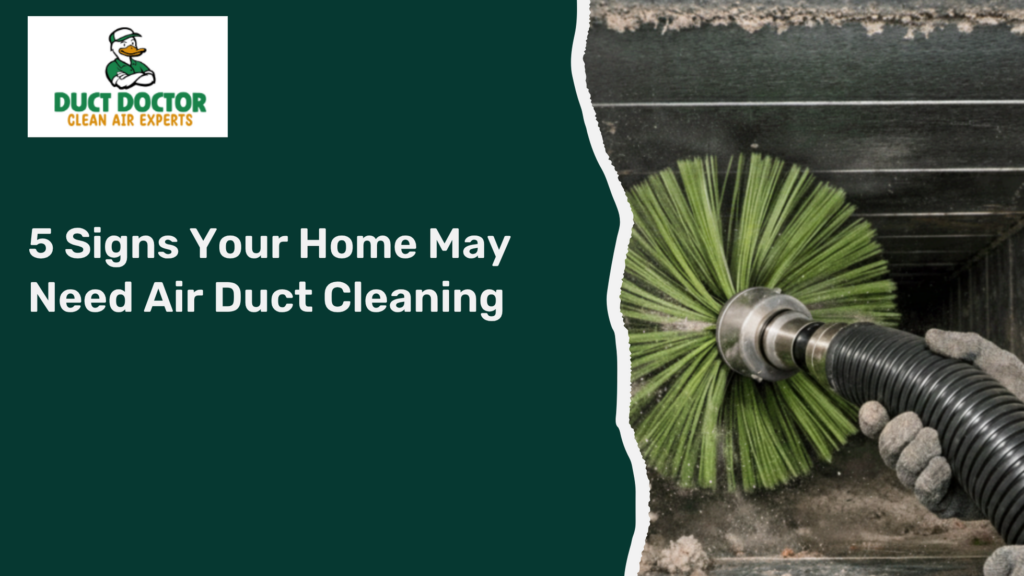
If dust keeps showing up on your furniture, your vents smell musty, or some rooms never feel comfortable, your ductwork may be part of the problem. Air Duct Cleaning can help when dirt, debris, and other buildup affect airflow and the way your HVAC system works. It is not a cure for every indoor air problem, but there are situations where it makes sense. The U.S. Environmental Protection Agency says homeowners should consider duct cleaning in certain cases, such as substantial visible mold growth, pest infestation, or heavy dust and debris inside the system. For many homeowners, the challenge is knowing when normal dust becomes a real warning sign. This guide explains five common signs that may point to a dirty duct system, why they matter, and what to do next. If you want cleaner air, better airflow, and a more efficient heating and cooling system, these signs can help you decide if it is time to schedule a professional inspection. Why Air Duct Cleaning Matters Your ductwork moves heated and cooled air through your home. When dust, debris, pet hair, and other particles accumulate inside the system, airflow can be affected. In some homes, this can lead to more dust around vents, poor room-to-room comfort, and strain on the HVAC system. ENERGY STAR notes that poor airflow can reduce efficiency, raise utility bills, lower comfort, and shorten equipment life. It is also important to stay realistic. The EPA does not say every home needs routine duct cleaning on a fixed schedule. Instead, it recommends cleaning when there is a clear reason, such as mold, pests, or excessive debris that actually enters the home from supply registers. That means the best approach is simple: look for real signs, not fear-based sales claims. At a Glance: 5 Signs to Watch Sign What You May Notice Why It Matters Excess dust around vents Dust on grilles, furniture gets dusty fast May point to buildup and air movement issues Weak or uneven airflow Some rooms feel hotter or colder Restricted airflow can affect comfort and efficiency Musty or stale odors Smell when the HVAC starts May signal buildup, moisture, or contamination More allergies or irritation indoors Sneezing, coughing, and eye irritation at home Airborne particles may be part of the issue Recent renovation, pests, or long neglect Construction dust, droppings, debris These conditions can leave real contamination in the ducts Sign 1: Dust Builds Up Fast Around Vents and Inside Your Home One of the easiest signs to spot is dust that seems to come back right after you clean. You wipe down a table, vacuum the floor, and within a day or two, the dust is back. You may also notice dust collecting around supply and return vents. Now, not all household dust means your ducts need cleaning. Dust comes from many sources, such as fabric, shoes, pets, and outdoor air. But when you see visible dust blowing from vents or heavy buildup on vent covers, it may be time to take a closer look. The EPA says that excessive amounts of dust and debris released into the home from supply registers can justify cleaning. What to Check Why It Matters When debris accumulates in the system, it can affect airflow and may circulate particles throughout the home. It can also make your HVAC filter work harder. Sign 2: Airflow Feels Weak or Uneven If one room feels comfortable but another always feels stuffy, hot, or hard to cool, airflow may be the issue. Dirty ducts are not the only cause. Leaks, crushed ducts, poor design, and dirty filters can also reduce airflow. Still, duct contamination can add to the problem. ENERGY STAR says sealing and insulating ducts can improve heating and cooling efficiency by as much as 20 percent, and poor system airflow can lead to higher bills, low comfort, and shorter equipment life. Common Signs of Poor Airflow Why It Matters When airflow drops, your HVAC system may run longer to keep up. That can mean more wear, less comfort, and more energy use. Sign 3: Your Vents Smell Musty, Stale, or Dirty A clean HVAC system should not fill your home with a stale or musty smell every time it runs. If you notice an odor when the heat or air comes on, your ducts may be harboring dust, debris, moisture issues, or other contamination. The EPA lists substantial visible mold growth inside hard surface ducts or on other parts of the heating and cooling system as a clear reason to consider cleaning. It also warns that moisture control is key, since dirt and moisture together can create conditions for growth. Important note A musty smell does not always mean mold. It can also come from: What To Do If you smell something unusual, schedule an inspection first. A good technician should identify the source, not just suggest cleaning without evidence. Sign 4: Allergy Symptoms Feel Worse Indoors If someone in your home sneezes more, coughs more, or feels irritated indoors, indoor air quality deserves attention. Dirty ducts may be one piece of that puzzle, especially in homes with pets, older systems, or heavy dust buildup. NADCA notes that contaminants inside ductwork can move with the air through the home. Still, it is important to keep this point honest. The EPA says studies do not show that dirty air ducts alone cause health problems in every case, and routine duct cleaning has not been proven to prevent health issues on its own. The Takeaway Air Duct Cleaning can help in homes where dust, debris, pests, or contamination are clearly present, but it works best as part of a bigger indoor air quality plan that may include: Sign 5: You Recently Renovated, Had Pest Activity, or Have Not Cleaned the System in Years Some situations make duct contamination much more likely. If you finished a remodel, moved into an older home, or had rodents or insects in the system, your ducts may hold construction dust, nesting material, droppings, or
How Often Should You Schedule Dryer Vent Cleaning?
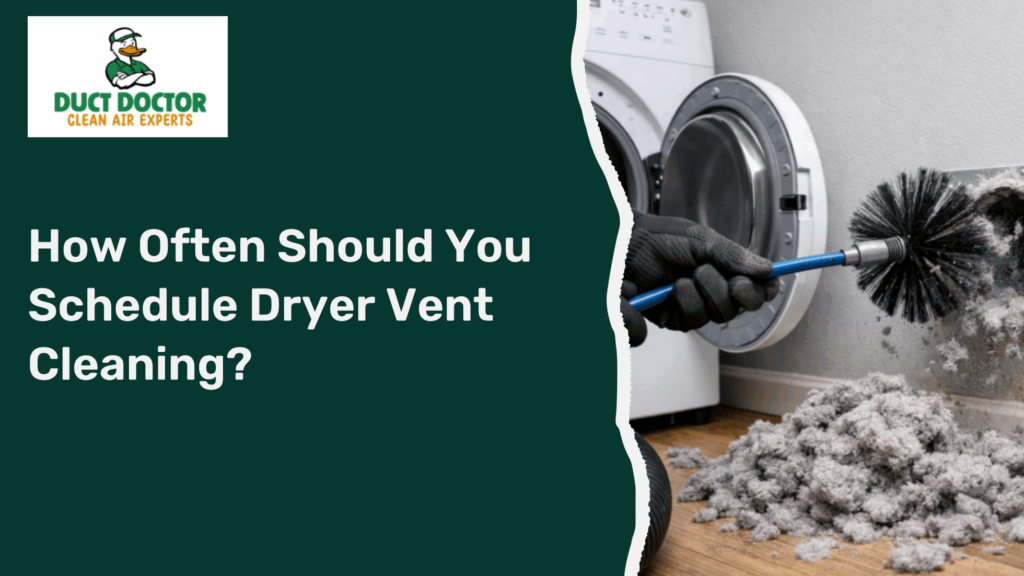
If you use your dryer often, it should be part of your regular home maintenance plan. For most homes, a good rule is to schedule Dryer Vent Cleaning about once a year. Some homes need it more often. If you do many loads each week, have pets, live with a larger family, or have a long vent line, you may need service every 6 to 9 months. If you use your dryer less often, you may be fine on a 12 to 24-month schedule, as long as there are no warning signs. Guidance from CPSC says to clean the dryer vent, exhaust duct, and lint screen periodically, and manufacturer guidance typically recommends every 1 to 2 years, depending on use. That timeline matters because lint buildup is more than a small mess. It can slow airflow, make the dryer work harder, and raise fire risk. NFPA reports an estimated 15,970 home structure fires involving clothes dryers or washing machines each year in its study period, with 92 percent involving clothes dryers. NFPA also found that lint, dust, and fiber were among the top items first ignited. USFA reports that dust, fiber, and lint accounted for 28 percent of the items first ignited in residential clothes dryer fires. For Duct Dr.’s audience, this topic fits real homeowner needs. The business serves homeowners in Clarks Hill, Indiana, and nearby areas who care about home safety, better airflow, cleaner living spaces, and honest local service. That brand and audience focus comes directly from the company’s site and brand materials. Why Dryer Vent Cleaning Matters? A dryer needs strong airflow to move heat, lint, and moisture outside. When lint builds up in the vent line, the system cannot breathe well. That leads to real problems: • Longer drying times• Higher energy use• Extra wear on the dryer• More heat in the laundry area• A higher chance of a dryer fire CPSC warns that if clothes stay damp after a normal cycle or need longer drying times than usual, the lint screen or exhaust duct may be blocked. It also advises checking the outside vent while the dryer runs to ensure air is escaping properly. USFA also states that you are at a higher risk of a dryer fire if you do not clean the lint filter and dryer vents. How Often Should You Schedule It? Once a Year Is Best for Most Homes For the average household, a yearly service schedule is practical. It is simple to remember, easy to plan, and helps prevent heavy buildup before it turns into a bigger issue. Manufacturer guidance commonly recommends cleaning the entire venting system every 1 to 2 years, depending on use, and more often when performance declines. Every 6 to 9 Months for Higher Use Homes You should move to a shorter schedule if: • You run the dryer many times each week• You have kids and do laundry almost daily• You wash lots of towels, bedding, or work clothes• You have pets that add hair to each load• Your vent line is long or has several turns More use means more lint. A longer or more complex vent path also gives lint more places to collect. Every 12 to 24 Months for Lighter Use Some homes may go longer between cleanings if: • One or two people live in the home• The dryer is used only a few times each week• The vent line is short and straight• You clean the lint screen every load• There are no signs of poor airflow Still, it is wise to inspect the system even if you do not need full service every year. Factors That Change the Right Schedule Not every home needs the same timing. The best schedule depends on how your system is used. 1. Laundry Volume The more loads you dry, the faster lint builds up. A family of five will usually need service sooner than a one-person household. 2. Pets in the Home Pet hair mixes with lint and can build up fast. This is common in homes with dogs and cats. 3. Vent Length and Design A short, straight vent usually performs better than a long vent with bends. Each turn can slow airflow and catch more debris. 4. Type of Laundry Heavy items like towels, blankets, sweatshirts, and pet bedding can create more lint than lighter fabrics. 5. Past Maintenance If the vent has not been cleaned in years, the first service may remove significant buildup. After that, you can settle into a routine based on the technician’s findings. Signs Your Dryer Vent Needs Cleaning Now Do not wait for the calendar if your dryer is showing clear signs of trouble. Common Warning Signs • Clothes take longer to dry• Clothes feel hotter than usual at the end of the cycle• The dryer itself feels very hot• You notice a burning smell• The laundry room feels humid after drying• The outside vent flap does not open well• You see lint or debris around the vent opening• The dryer shuts off early or overheats CPSC says that damp clothes after a normal cycle or longer drying times can be a sign of a blocked exhaust path. Recommended Cleaning Schedule by Home Type Home situation Suggested schedule One or two people, light laundry use Every 12 to 24 months Average family home About once a year Large family, daily dryer use Every 6 to 9 months Pets in the home Every 6 to 9 months Long vent run or many bends Every 6 to 12 months Any home with warning signs Schedule service now What Happens If You Wait Too Long? Putting off dryer vent cleaning can cost more later. Fire Risk Lint is highly flammable. NFPA and USFA both link lint buildup and poor maintenance to the risk of dryer fires. Higher Energy Bills Restricted airflow makes the dryer run longer. Longer cycles mean more electricity or gas use. ENERGY STAR notes that dryer efficiency matters, and proper operation helps you