
If you use your dryer often, it should be part of your regular home maintenance plan. For most homes, a good rule is to schedule Dryer Vent Cleaning about once a year. Some homes need it more often. If you do many loads each week, have pets, live with a larger family, or have a long vent line, you may need service every 6 to 9 months. If you use your dryer less often, you may be fine on a 12 to 24-month schedule, as long as there are no warning signs. Guidance from CPSC says to clean the dryer vent, exhaust duct, and lint screen periodically, and manufacturer guidance typically recommends every 1 to 2 years, depending on use.
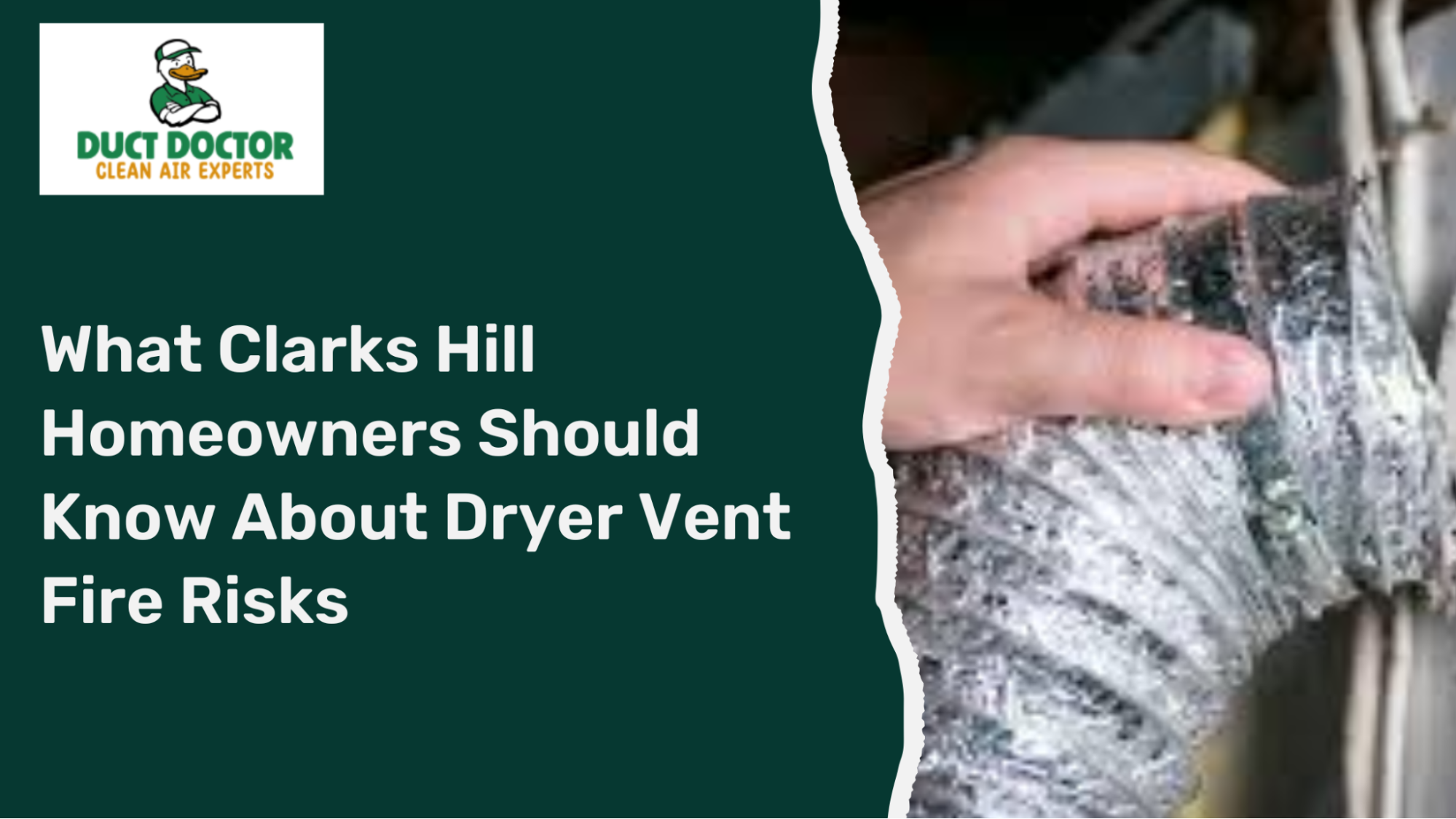
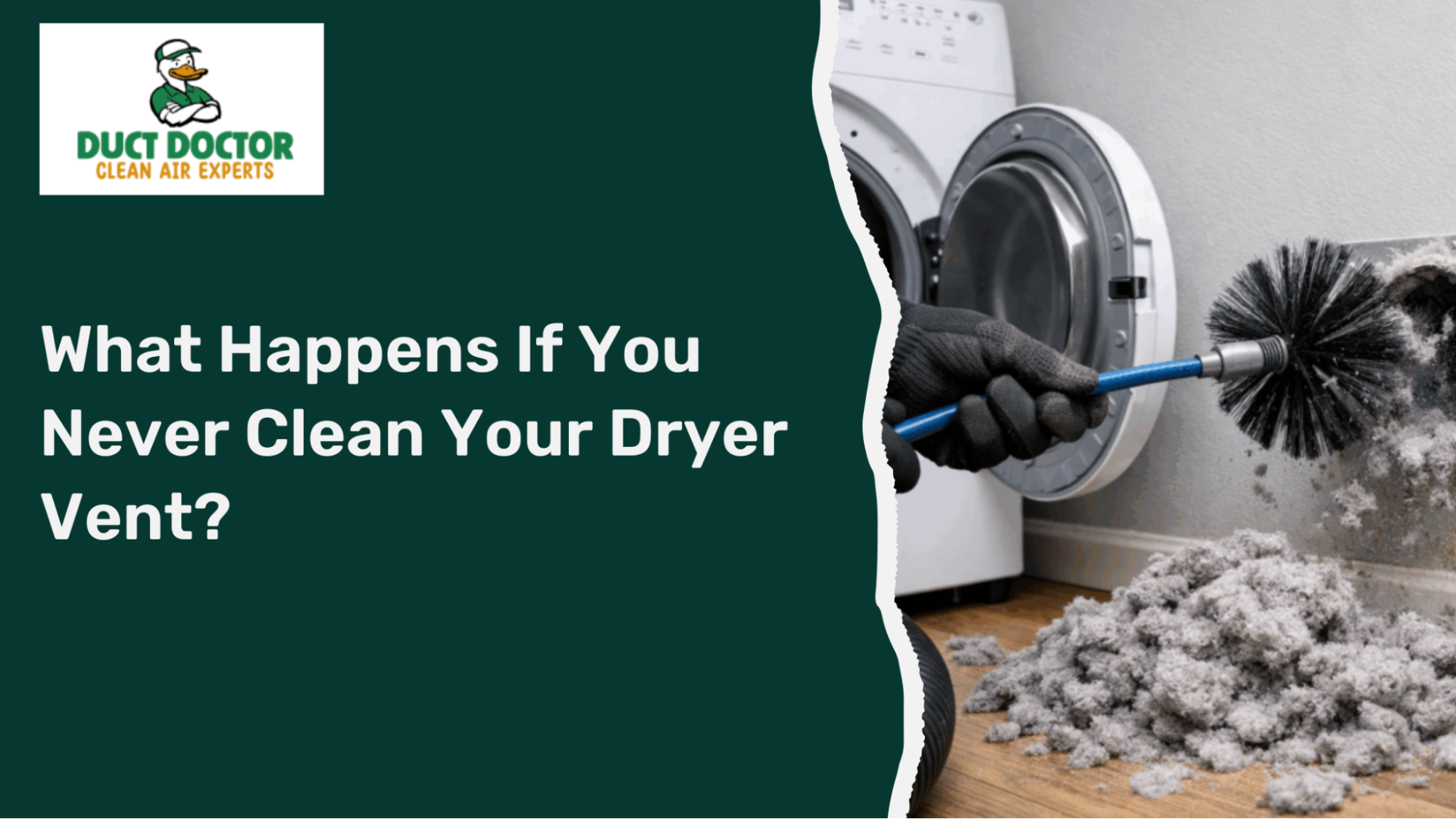
That timeline matters because lint buildup is more than a small mess. It can slow airflow, make the dryer work harder, and raise fire risk. NFPA reports an estimated 15,970 home structure fires involving clothes dryers or washing machines each year in its study period, with 92 percent involving clothes dryers. NFPA also found that lint, dust, and fiber were among the top items first ignited. USFA reports that dust, fiber, and lint accounted for 28 percent of the items first ignited in residential clothes dryer fires.
For Duct Dr.’s audience, this topic fits real homeowner needs. The business serves homeowners in Clarks Hill, Indiana, and nearby areas who care about home safety, better airflow, cleaner living spaces, and honest local service. That brand and audience focus comes directly from the company’s site and brand materials.
Why Dryer Vent Cleaning Matters?
A dryer needs strong airflow to move heat, lint, and moisture outside. When lint builds up in the vent line, the system cannot breathe well. That leads to real problems:
• Longer drying times
• Higher energy use
• Extra wear on the dryer
• More heat in the laundry area
• A higher chance of a dryer fire
CPSC warns that if clothes stay damp after a normal cycle or need longer drying times than usual, the lint screen or exhaust duct may be blocked. It also advises checking the outside vent while the dryer runs to ensure air is escaping properly.
USFA also states that you are at a higher risk of a dryer fire if you do not clean the lint filter and dryer vents.
How Often Should You Schedule It?
Once a Year Is Best for Most Homes
For the average household, a yearly service schedule is practical. It is simple to remember, easy to plan, and helps prevent heavy buildup before it turns into a bigger issue. Manufacturer guidance commonly recommends cleaning the entire venting system every 1 to 2 years, depending on use, and more often when performance declines.
Every 6 to 9 Months for Higher Use Homes
You should move to a shorter schedule if:
• You run the dryer many times each week
• You have kids and do laundry almost daily
• You wash lots of towels, bedding, or work clothes
• You have pets that add hair to each load
• Your vent line is long or has several turns
More use means more lint. A longer or more complex vent path also gives lint more places to collect.
Every 12 to 24 Months for Lighter Use
Some homes may go longer between cleanings if:
• One or two people live in the home
• The dryer is used only a few times each week
• The vent line is short and straight
• You clean the lint screen every load
• There are no signs of poor airflow
Still, it is wise to inspect the system even if you do not need full service every year.
Factors That Change the Right Schedule
Not every home needs the same timing. The best schedule depends on how your system is used.
1. Laundry Volume
The more loads you dry, the faster lint builds up. A family of five will usually need service sooner than a one-person household.
2. Pets in the Home
Pet hair mixes with lint and can build up fast. This is common in homes with dogs and cats.
3. Vent Length and Design
A short, straight vent usually performs better than a long vent with bends. Each turn can slow airflow and catch more debris.
4. Type of Laundry
Heavy items like towels, blankets, sweatshirts, and pet bedding can create more lint than lighter fabrics.
5. Past Maintenance
If the vent has not been cleaned in years, the first service may remove significant buildup. After that, you can settle into a routine based on the technician’s findings.
Signs Your Dryer Vent Needs Cleaning Now
Do not wait for the calendar if your dryer is showing clear signs of trouble.
Common Warning Signs
• Clothes take longer to dry
• Clothes feel hotter than usual at the end of the cycle
• The dryer itself feels very hot
• You notice a burning smell
• The laundry room feels humid after drying
• The outside vent flap does not open well
• You see lint or debris around the vent opening
• The dryer shuts off early or overheats
CPSC says that damp clothes after a normal cycle or longer drying times can be a sign of a blocked exhaust path.
Recommended Cleaning Schedule by Home Type
| Home situation | Suggested schedule |
| One or two people, light laundry use | Every 12 to 24 months |
| Average family home | About once a year |
| Large family, daily dryer use | Every 6 to 9 months |
| Pets in the home | Every 6 to 9 months |
| Long vent run or many bends | Every 6 to 12 months |
| Any home with warning signs | Schedule service now |
What Happens If You Wait Too Long?
Putting off dryer vent cleaning can cost more later.
Fire Risk
Lint is highly flammable. NFPA and USFA both link lint buildup and poor maintenance to the risk of dryer fires.
Higher Energy Bills
Restricted airflow makes the dryer run longer. Longer cycles mean more electricity or gas use. ENERGY STAR notes that dryer efficiency matters, and proper operation helps you get the most from the appliance.
More Wear on the Dryer
Extra heat and longer cycles place more strain on the appliance. Over time, that can shorten its life.
Moisture Problems
Poor venting can trap warm, moist air. That can leave the laundry room muggy and may lead to stale smells.
DIY vs Professional Dryer Vent Cleaning
Some homeowners can handle light cleaning around the lint trap and the area behind the dryer. That is a good habit. But deep vent cleaning is different.
What You Can Do Yourself
• Clean the lint screen before or after each load
• Check behind the dryer for loose lint
• Look at the outside vent flap while the dryer runs
• Keep the area around the dryer clear
USFA recommends cleaning the lint filter before each use and cleaning behind the dryer to prevent lint buildup.
When Professional Service Makes More Sense?
Professional cleaning is often the better choice when:
• The vent line is long
• The vent passes through walls or ceilings
• The dryer still runs slowly after basic cleaning
• You smell burning
• The vent cap outside is hard to access
• You want the full system checked for airflow issues or damage
A professional can also spot crushed ducting, disconnected sections, and poor vent design.
Simple Maintenance Tips Between Visits
Use these habits to help your vent stay cleaner between appointments:
• Clean the lint screen every load
• Do not overload the dryer
• Check the outside vent flap once a month
• Avoid letting lint collect behind the dryer
• Pay attention to longer cycle times
• Schedule service sooner if your household use increases
FAQ
How often should a dryer vent be cleaned?
For most homes, once a year is a good schedule. Homes with pets, bigger families, heavy laundry use, or longer vent lines may need cleaning every 6 to 9 months. Guidance from CPSC and manufacturers supports periodic cleaning, often every 1 to 2 years, depending on use.
What are the signs of a clogged dryer vent?
Common signs include clothes taking too long to dry, hot clothes after a cycle, a hot dryer cabinet, a burning smell, weak airflow at the outside vent, and extra lint around the machine. CPSC specifically notes that damp clothes after a normal cycle or longer drying times can signal a blocked vent or duct.
Can I clean my dryer vent myself?
You can handle basic lint removal and visual checks, but full vent cleaning may require special tools and access, especially if the vent is long or hidden. If there is still poor airflow after basic cleaning, professional service is the safer choice.
Does cleaning the lint trap mean the vent is clean too?
No. The lint trap catches only part of the lint. The vent line can still collect debris over time. That is why CPSC and USFA both stress regular cleaning of vent and exhaust ducts, not just lint screen cleaning.
Is dryer vent cleaning really worth it?
Yes. It can lower fire risk, improve dryer performance, reduce drying time, and help the appliance run more efficiently. NFPA and USFA both show that lint buildup is a real safety issue.
Final Thoughts
Duct Dr. believes a simple schedule can prevent a lot of stress. For most homeowners, annual dryer vent cleaning is the safest starting point. If your home has pets, heavy laundry use, or a longer vent line, move that schedule up. And if your dryer is already showing warning signs, do not wait for next season. Clean airflow helps protect your home, supports better dryer performance, and gives you more peace of mind for homeowners in Clarks Hill, Indiana and nearby areas.